



















What Is Electronic Dance Music? A Complete Beginner’s Guide
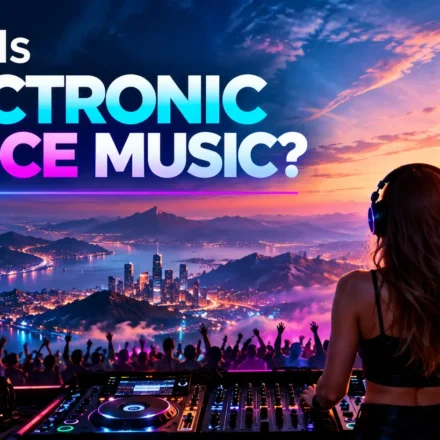
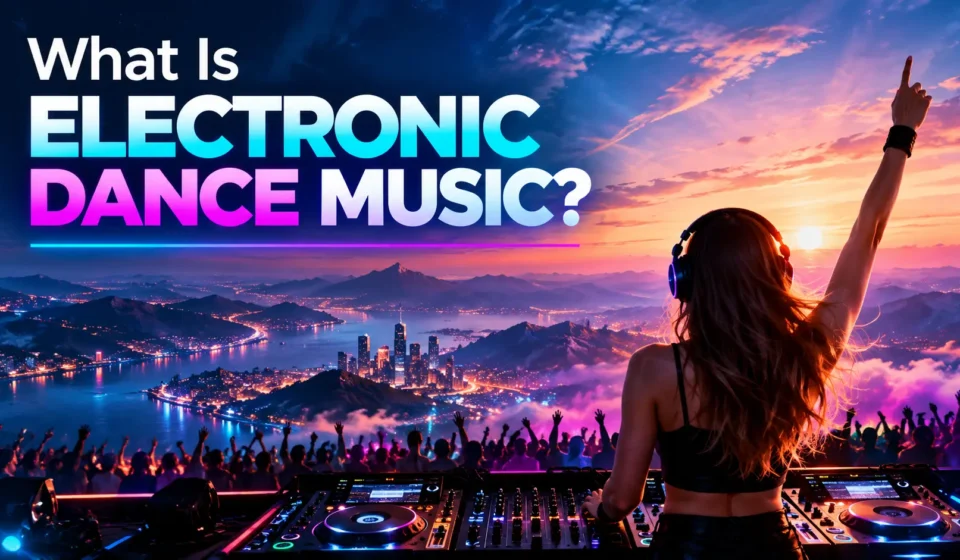
Electronic Dance Music, commonly known as EDM, is one of the most influential forms of modern electronic music. It includes a wide range of electronic genres created primarily for dancing, clubs, festivals, DJ sets, and energetic listening experiences.
From house and techno to trance, electro, future rave, and modern festival sounds, EDM has developed into a huge musical world with countless styles and subgenres.
But what exactly is electronic dance music, where did it come from, and what makes it different from other types of music?
In this beginner-friendly guide, we will explore the history, characteristics, popular genres, production techniques, and global culture surrounding EDM.
What Does EDM Stand For?
EDM stands for Electronic Dance Music.
The term is generally used to describe electronically produced music that is designed or commonly used for dancing and energetic listening. EDM can include music created entirely with computers and synthesizers, as well as productions that combine electronic sounds with vocals, live instruments, samples, and other musical elements.
Unlike a single genre, EDM is better understood as a broad category of electronic dance-oriented music.
This means two EDM tracks can sound completely different.
One track might feature a deep house groove and a warm bassline, while another might use aggressive synthesizers, powerful drops, and futuristic sound design. Both can still fall under the larger electronic dance music umbrella.
How Did Electronic Dance Music Begin?
The history of electronic dance music goes back several decades.
Electronic instruments began becoming increasingly important in popular music during the 1970s. Artists and producers experimented with synthesizers, drum machines, sequencers, and other electronic equipment to create sounds that were difficult or impossible to produce with traditional instruments.
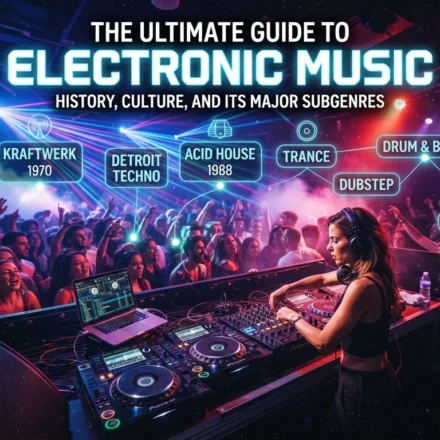
The development of disco, electronic experimentation, house music, techno, and other underground dance movements helped create the foundation for modern EDM.
During the 1980s and 1990s, electronic dance music continued to develop rapidly.
Chicago became strongly associated with house music, while Detroit played a major role in the development of techno. In Europe, electronic dance music became particularly influential in club and rave culture.
As technology improved, producers gained access to increasingly powerful tools for creating, recording, editing, and performing electronic music.
The result was an expanding musical landscape that eventually developed into the global EDM culture we know today.
What Makes EDM Different?
One of the defining characteristics of electronic dance music is its focus on rhythm, repetition, energy, and electronic sound design.
Many EDM tracks are built around a strong rhythmic foundation. Drum machines and electronic percussion can provide a consistent beat, while basslines and synthesizers add movement and energy.
Common characteristics include:
- Electronic drums and percussion
- Synthesizers
- Strong basslines
- Repetitive rhythmic patterns
- Build-ups and drops
- Melodic hooks
- Atmospheric sound effects
- Digital production techniques
- Extended instrumental sections
- DJ-friendly arrangements
However, there is no single formula that every EDM track must follow.
Some electronic dance tracks are melodic and emotional, while others are dark, aggressive, minimal, atmospheric, or extremely energetic.
What Is an EDM Drop?
One of the most recognizable elements of modern EDM is the drop.
A drop is a section where the track reaches a major moment of musical impact after a build-up.
A typical arrangement might gradually increase tension using percussion, risers, synthesizers, vocal effects, or other production elements. The music then reaches a transition before the main beat, bassline, or melody suddenly becomes prominent.
This creates a strong sense of release and energy.
Drops are especially common in festival-oriented electronic music, although different genres use them in very different ways.
The drop has become one of the defining features of contemporary dance music because it can create a powerful reaction from listeners and crowds.
Popular Electronic Dance Music Genres
EDM is an enormous category containing many different styles.
House Music
House music is one of the most influential forms of electronic dance music.
It traditionally features a steady four-on-the-floor rhythm, grooving basslines, repetitive patterns, and soulful or melodic elements.
Modern house music includes many variations, including deep house, progressive house, tech house, and future house.
Techno
Techno is known for its repetitive rhythms, hypnotic patterns, mechanical sounds, and electronic textures.
Detroit techno played an important role in the early development of the genre, which later became a major part of club culture around the world.
Modern techno can range from atmospheric and melodic productions to much harder and faster styles.
Trance
Trance is particularly known for its melodic arrangements, atmospheric soundscapes, emotional progressions, and extended builds.
Many trance tracks create a feeling of movement and anticipation through layered synthesizers and evolving melodies.
Dubstep
Dubstep developed from the UK electronic music scene and became known internationally for its heavy bass sounds, rhythmic experimentation, and dramatic drops.
Modern bass music includes many styles influenced by the original dubstep movement.
Electro
Electro is a broad electronic style characterized by electronic percussion, synthesizers, robotic textures, and distinctive rhythmic patterns.
The term can describe different sounds depending on the period and musical scene being discussed.
Drum and Bass
Drum and bass is recognized for its fast breakbeats and powerful basslines.
Compared with many mainstream EDM styles, drum and bass often uses much faster tempos and highly energetic rhythmic structures.
Future Rave
Future rave combines elements of progressive electronic music, festival-oriented dance production, powerful synthesizers, and modern rave influences.
The style often focuses on large atmospheric builds, strong melodies, driving rhythms, and dramatic drops.
How Is EDM Music Produced?
Modern electronic dance music can be produced almost entirely inside a computer.
Producers commonly use a Digital Audio Workstation (DAW) to create and arrange their music.
Popular production tools can include:
- Digital Audio Workstations
- Software synthesizers
- Drum machines
- Samplers
- MIDI controllers
- Audio effects
- Equalizers
- Compressors
- Reverb and delay
- Automation tools
A producer can start with a simple drum pattern and gradually build a complete track by adding bass, synthesizers, melodies, effects, transitions, and additional layers.
Modern music technology also makes it possible to experiment with sound design in ways that were previously difficult or expensive.
Why Is EDM So Popular?
One reason for the popularity of electronic dance music is its ability to create energy and atmosphere.
EDM is not limited to traditional instruments or conventional songwriting structures. Producers can manipulate rhythm, sound, tempo, effects, and dynamics to create highly immersive experiences.
EDM also works particularly well in social environments.
Clubs, festivals, concerts, parties, gyms, gaming sessions, driving playlists, and personal listening can all provide environments where energetic electronic music fits naturally.
Another important factor is the global nature of electronic music culture.
A producer can create a track in one country, upload it online, and reach listeners around the world without traditional geographic limitations.
EDM and DJ Culture
DJs have played a major role in the development and popularity of electronic dance music.
Rather than simply playing individual songs, DJs can create continuous musical experiences by mixing tracks together.
They can manipulate transitions, tempo, effects, loops, and track selection to maintain the energy of a dancefloor.
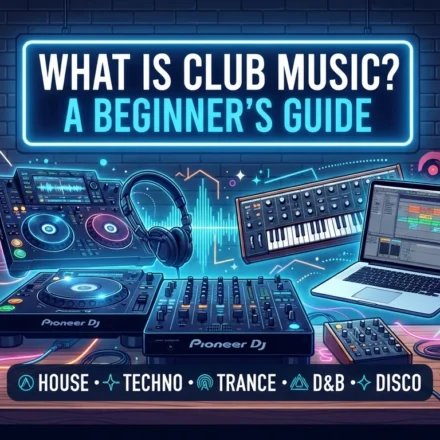
Modern DJ performances can also involve sophisticated digital equipment, controllers, software, visual effects, and live production techniques.
This connection between EDM and DJ culture has helped electronic music become an important part of clubs and festivals worldwide.
EDM Festivals and Live Events
Electronic dance music is strongly associated with large-scale festivals.
Modern EDM festivals can feature enormous stages, LED screens, lasers, pyrotechnics, lighting systems, visual effects, and thousands of listeners.
These events transform electronic music into a complete audiovisual experience.
The music itself is only one part of the environment. Lighting, visuals, stage design, crowd interaction, and production technology all contribute to the atmosphere.
This is one reason why many EDM tracks are designed with large sound systems and festival environments in mind.
Is EDM the Same as Electronic Music?
Not exactly.
Electronic music is a much broader term.
It can include ambient music, experimental electronic music, electronic pop, soundtrack music, IDM, downtempo, industrial music, and many other styles that may not be designed specifically for dancing.
EDM generally refers to electronic music that is strongly connected with dance, clubs, DJs, festivals, and rhythmic energy.
There is some overlap between the terms, but they should not always be treated as exact synonyms.
What BPM Is EDM?
There is no single BPM for EDM.
Different electronic dance music genres commonly use different tempo ranges.
For example, some house styles often sit around the lower-to-mid 120 BPM range, while faster genres such as drum and bass can move well above 160 BPM.
Festival-oriented tracks can also vary considerably depending on the style and creative direction.
The important thing is that tempo is only one part of the sound.
Two tracks can have the same BPM and feel completely different because of their rhythm, arrangement, sound selection, bassline, and production style.
The Future of Electronic Dance Music
Technology continues to change the way electronic dance music is created and experienced.
Artificial intelligence, advanced music software, virtual instruments, spatial audio, immersive visuals, and new performance technologies are creating additional possibilities for producers and artists.
At the same time, older electronic genres continue to influence new generations of producers.
Modern EDM frequently combines ideas from different eras and genres, creating hybrid styles that would have been difficult to categorize a few decades ago.
This constant experimentation is one of the reasons electronic dance music continues to evolve.
Final Thoughts
Electronic Dance Music is much more than a single genre.
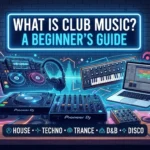
It is a broad musical world that includes house, techno, trance, dubstep, drum and bass, future rave, electro, and many other styles.
From underground clubs to massive festivals and online music platforms, EDM has become a global part of modern music culture.
Its combination of rhythm, electronic production, powerful sound design, creative experimentation, and dancefloor energy makes it one of the most recognizable forms of contemporary music.
Whether you are completely new to EDM or already enjoy electronic music, exploring its different genres is a great way to discover how diverse the world of electronic dance music really is.
At Apex Club Mix, we explore energetic electronic sounds, club-inspired music, futuristic production, and high-energy dance experiences for listeners who enjoy discovering new electronic music.