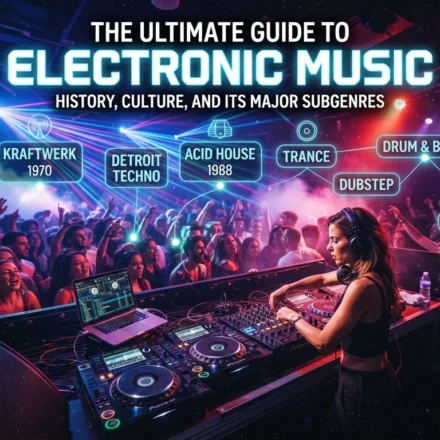
























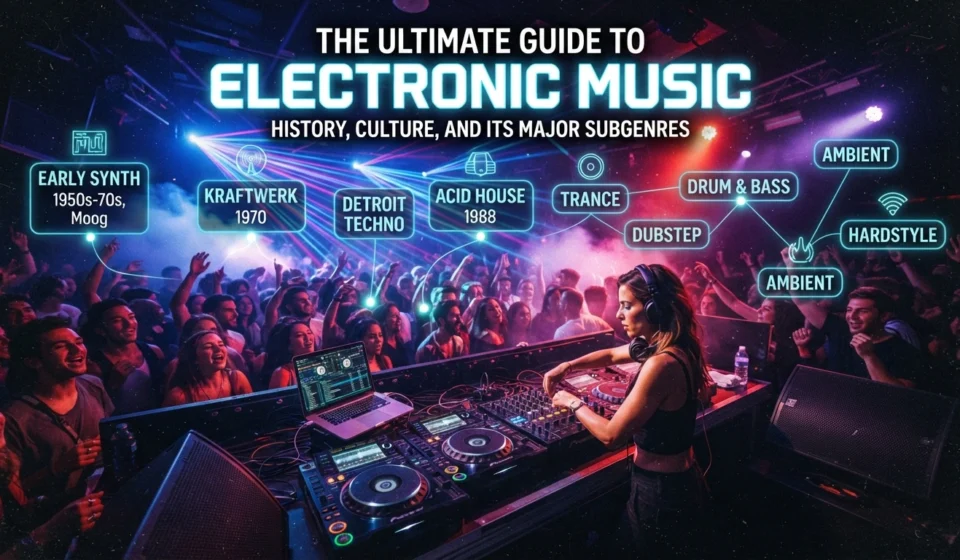
Electronic music has evolved from experimental synthesizer sounds in the mid-20th century into a global cultural phenomenon. Today, it dominates massive festival stages, underground clubs, and digital streaming platforms worldwide. Whether you are hitting the gym for an intense workout or driving late at night, electronic dance music (EDM) provides an unmatched burst of energy.
In this guide, we will break down the core roots of electronic music and explore the primary subgenres that define the global club scene.
1. What is Electronic Music?
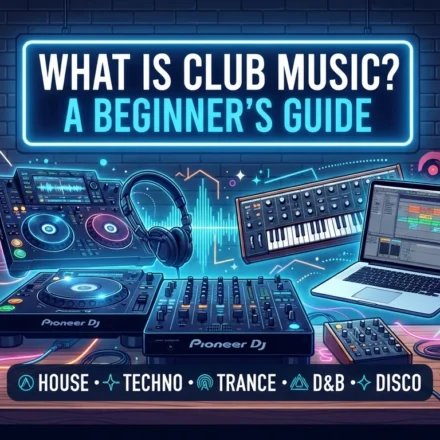
At its core, electronic music is created using electronic instruments, synthesizers, drum machines, and digital audio workstations (DAWs). Unlike traditional acoustic music, its soundscape relies heavily on synthesized basslines, sequenced beats, and digital manipulation, creating an immersive auditory experience.
2. Major Subgenres of Electronic Music
The electronic music umbrella covers a vast array of styles, each with its own unique tempo, mood, and rhythm structure:
- House Music: Originating in Chicago in the early 1980s, House music is characterized by a steady four-on-the-floor beat, a typical tempo ranging from 115 to 130 BPM, and soulful vocal samples or piano chords. It provides a warm, groove-heavy atmosphere.
- Trance: Known for its hypnotic, emotional melodies and uplifting energy, Trance typically operates between 135 and 150 BPM. It often features a buildup followed by an emotional, euphoric drop that connects deeply with listeners.
- Techno: Emerging from Detroit, Techno is defined by its industrial, futuristic, and repetitive rhythmic structures. It leans heavily on synthetic percussion and darker, raw sound designs, making it a staple for underground warehouse parties.
- Hardstyle & Bass House: For maximum adrenaline, genres like Hardstyle bring heavy distorted kicks and high tempos (150+ BPM), while Bass House merges the groove of house music with aggressive, heavy basslines.
3. The Culture and the Club Mix Experience
Electronic music is more than just sound; it is a community. Platforms like dedicated club mix channels and curated playlists help listeners discover new tracks that fuel their daily lives. Blending melodic hooks with driving electronic beats creates a timeless escape for music enthusiasts everywhere.